

AWD vs 4WD vs FWD in Buffalo Snow: What’s Best?
Buffalo gets a lot of snow, and having the right vehicle to tackle that snow is important. Selecting the right vehicle can be tricky, though, as there are all kinds of different drivetrain configurations to choose from. In modern vehicles, front-wheel drive, all-wheel drive, and 4-wheel drive all handle the snow well, but each system has its own advantages, and for anyone who regularly has to deal with challenging winter conditions, it’s best to understand the differences between the configurations before buying.
Front-Wheel Drive (FWD) Advantages
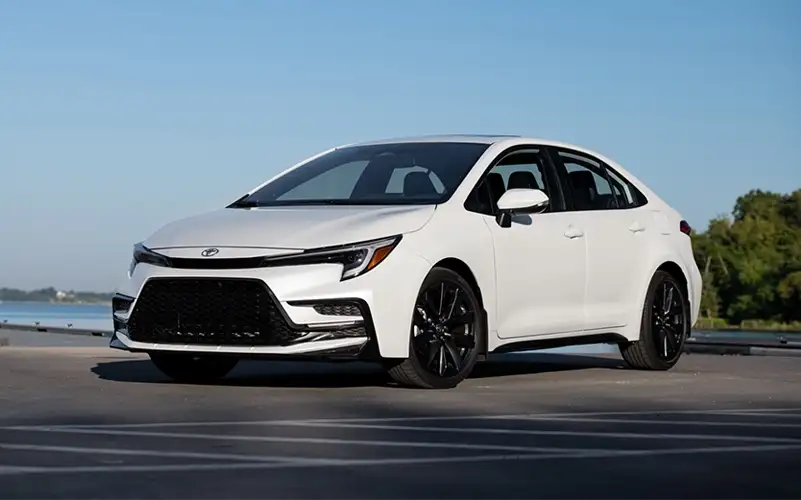
Front-wheel drive was first used in a production car all the way back in 1929, but it didn’t catch on until decades later. Rear-wheel drive was the norm for a long time, but as cars became lighter and more efficient, some drawbacks to RWD emerged. Front-wheel drive was reintroduced specifically to tackle the issue of winter driving. With a front-wheel drive car, all of the weight of the engine and transaxle sits right over the drive wheels, thus helping to maintain grip. It also makes the car less likely to spin when you do lose traction, which helps to reduce both the number and severity of crashes.
The big advantage of FWD over the other configurations we’re talking about is fuel economy. Only having to power two wheels reduces strain on the engine and makes for more efficient driving. While having only two driven wheels does present a disadvantage, modern traction control systems make this less of an issue, and a FWD car with a good set of snow tires will generally handle snow at least as well as an AWD car with all-season tires. People who have the option to just stay home when the weather is especially bad will often choose year-round improved fuel economy over better traction that is only relevant a few times a year.
All-Wheel Drive (AWD) VS 4-Wheel Drive (4WD)
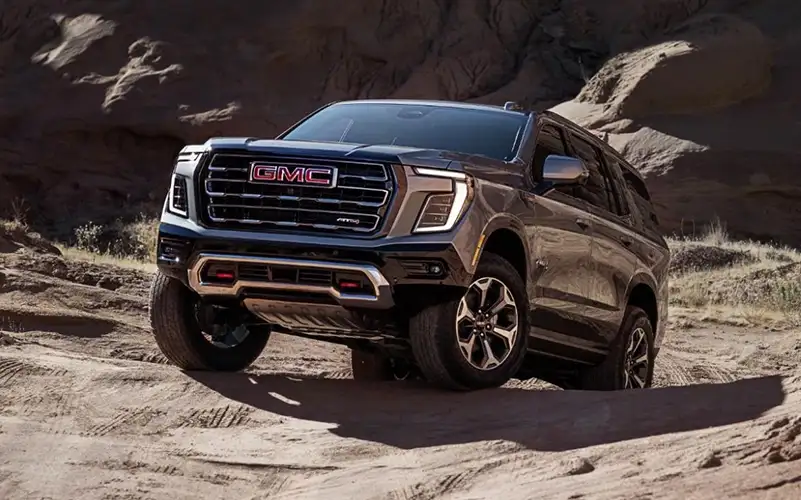
Both AWD and 4WD send power to all four wheels, which gives the driver a major advantage in low-traction environments. For the driver, an AWD system is usually something that’s just on and doesn’t require any inputs, although some systems have different modes specifically tuned for snow or mud. 4WD systems will generally be off by default, and the driver will have to turn the system on, as well as choose between high and low ranges. For older 4WD systems, leaving the system on in normal non-slippery conditions can cause something called driveline windup, which will damage the system over time. Newer systems have generally solved this problem, and there are now even full-time 4WD systems that don’t require activation.
Mechanically, the big difference between the two systems is that an AWD system uses a center differential, while a 4WD system uses a transfer case, usually with two speeds. A transfer case can force the front and rear axles to turn at the same speeds, which is useful in very slippery situations, especially things like deep mud. These systems also tend to be more robust, making them popular for off-road vehicles or vehicles used for towing. The downside is that robustness means more weight, and drivetrain weight is really hard on fuel economy. AWD systems are much lighter, delivering better fuel economy, and tend to be a bit more user-friendly, all without any sacrifice of on-road winter performance. So, while both systems are good in the snow, the other ways that you intend to use your vehicle will determine which system is better for you.