
If your vehicle has ever been in the shop for maintenance or repairs, you’ve likely heard of the term OEM in reference to replacement parts and components. OEM stands for “Original Equipment Manufacturer” and these types of components offer a number of advantages and benefits compared to aftermarket parts. It’s only natural that you’d want nothing but the best for your vehicle in order to enjoy the same levels of safety and performance that you’ve come to expect. To help provide you with a better idea of how OEM parts compare to aftermarket parts, our team at Basil Family Dealerships has assembled this informative comparison guide that will list the pros and cons of both types. Let’s take a closer look!
OEM stands for Original Equipment Manufacturer. In automotive parts, the term generally refers to replacement components made by the vehicle manufacturer or produced to match the specifications of the parts originally installed in the vehicle. OEM parts are commonly compared with aftermarket parts, which are made by third-party manufacturers.
OEM stands for Original Equipment Manufacturer and commonly refers to parts matching original vehicle specifications.
OEM parts are intended to match the fit, function, and specifications associated with the original component.
Aftermarket parts are produced by third-party manufacturers and can vary in price, quality, availability, and warranty coverage.
Both OEM and aftermarket components can be used for vehicle repairs, but they differ in source, selection, pricing, fit, and warranty terms.
| Category | OEM Parts | Aftermarket Parts |
|---|---|---|
| Source | Associated with the vehicle manufacturer or its original specifications. | Produced by independent third-party manufacturers. |
| Fit and Selection | Designed for a specific vehicle application and original fit. | May offer several brands, designs, performance levels, and price points. |
| Price | Often priced higher than comparable aftermarket options. | Often available across a wider range of prices. |
| Availability | Availability can depend on the vehicle, manufacturer, and part. | Common parts may be available from multiple manufacturers and sellers. |
| Warranty | Often includes manufacturer-backed coverage, subject to specific terms. | Coverage varies by part brand, seller, and manufacturer. |
| Best Choice | The right choice depends on the specific repair, vehicle, budget, availability, warranty terms, and the quality of the part being considered. | |
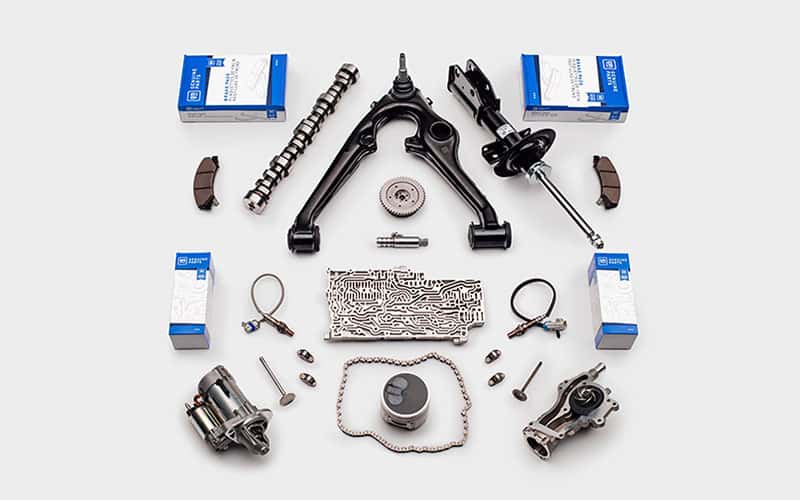
As we mentioned above, OEM stands for “Original Equipment Manufacturer”. Should your vehicle require replacement parts due to a mechanical breakdown or a collision, OEM replacement parts will be identical to those installed on your vehicle when it was initially built. As a result, you can also expect the exact same levels of performance and quality once the repair has been completed. In addition to an exact fit and finish, OEM parts typically carry a higher price tag compared to aftermarket parts. They can also be more difficult to find since they’re produced by the original manufacturer.

Although they’re designed to look and operate just like OEM parts, aftermarket parts are produced by various different manufacturers. Aftermarket parts differ from OEM parts in several key areas including quality, pricing, and availability. As a general rule, aftermarket parts are usually less expensive than OEM parts. However, the quality and availability can be better or worse than OEM parts depending on who manufactures them. Sometimes, aftermarket parts can represent a tremendous bargain and be available on short notice for an unexpected repair. Other times, aftermarket parts can fail sooner and leave you stranded at the most inconvenient times. It’s important to do your research or ask our team of parts experts at your local Basil Family Dealership parts department for more in-depth information and advice regarding OEM vs aftermarket parts.
The terms OEM parts and genuine parts are often used together, but their exact meaning can depend on how a manufacturer, supplier, or seller uses the terms.
Because terminology can vary, verify the part number, manufacturer, vehicle application, warranty information, and seller before purchasing.
A vehicle identification number can help a parts specialist narrow the search to the correct year, model, engine, trim, and configuration.
Compare the replacement part number with the vehicle application and any superseded part-number information.
Review the manufacturer, packaging, seller, warranty terms, and return policy before ordering or installing a component.
A qualified parts or service professional can help you evaluate the options for your specific vehicle and repair.
Whether your vehicle is in need of routine maintenance or service or a complex repair – you’ll find a full staff of friendly and knowledgeable parts specialists standing by to answer your questions. If you’re still torn between choosing an OEM or aftermarket part or accessory for your vehicle, stop in today and let our team answer your questions and provide you with the expert advice you’re looking for. We’re here to help you keep enjoying the same performance and safety that you’ve come to expect from your vehicle for years to come. Stop in today!
Basil Family Dealership parts specialists can help identify compatible replacement parts using your vehicle information, compare available options, and explain differences involving fit, availability, pricing, and warranty terms.
Visit the Basil parts department, browse current service and parts specials, or explore additional parts tips and guides.
OEM stands for Original Equipment Manufacturer. In the automotive industry, it commonly refers to the manufacturer or supplier associated with the components originally used in a vehicle.
An OEM car part is a replacement component associated with the vehicle manufacturer, an original supplier, or the specifications of the part originally installed in the vehicle.
OEM parts are associated with the vehicle manufacturer or original specifications, while aftermarket parts are produced by independent third-party manufacturers. Pricing, selection, availability, quality, and warranty terms can differ.
The terms are often used together, but their exact meaning can vary. Genuine parts are commonly sold in vehicle-manufacturer packaging, while OEM can refer to an original manufacturer, supplier, or original-equipment specification.
Not automatically. OEM parts offer predictable fit and original-specification advantages, while aftermarket quality can range from basic replacements to premium or specialized components. The better choice depends on the specific part and repair.
OEM parts may cost more because they are produced or supplied for a specific vehicle application, distributed through manufacturer-related channels, and may include manufacturer-backed warranty coverage.
OEM parts often include warranty coverage, but the length, limitations, labor coverage, and installation requirements vary. Review the specific warranty terms before purchasing.
Use the vehicle identification number, year, make, model, engine, trim, and original part number to verify compatibility. A parts specialist can help confirm the correct application.
Yes. Basil Family Dealership parts specialists can use your vehicle information to help identify compatible parts, review availability, and explain the options for your repair or maintenance needs.

